 Thrive: Alaska
 01
Cooking
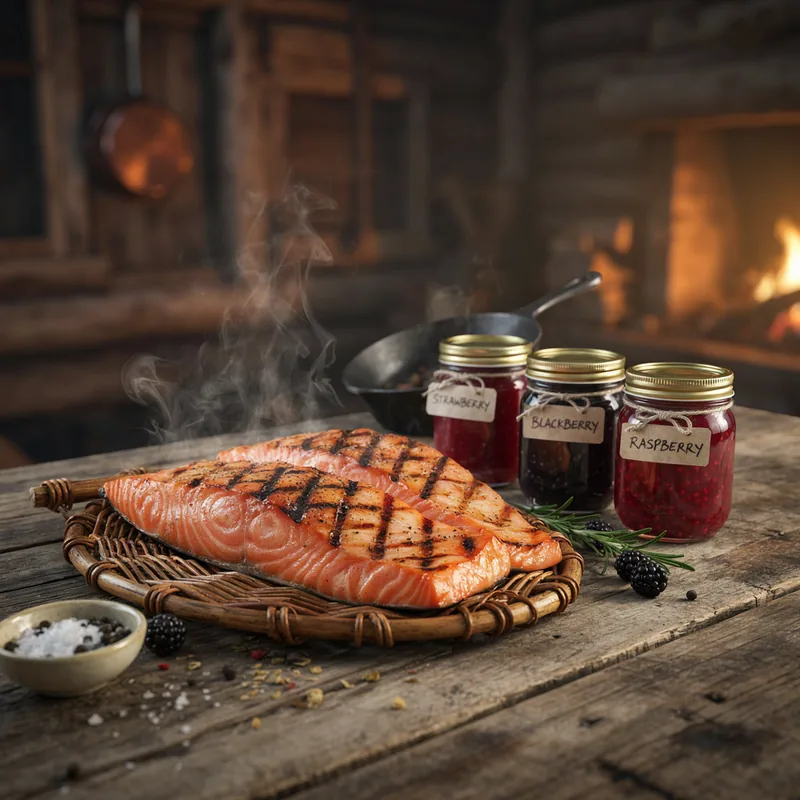
Every cut of meat tracks its internal temperature. Cook it right or get sick. Smoke, salt, dry, ferment and can to get through winter.

In development · Bramblewright Games
The grid went down three weeks ago. Winter is coming anyway.
A present-day homesteading survival game for 1 to 50 players, set on a real stretch of the Kenai River near Sterling, Alaska. Build a home with your own hands, put food by, learn by doing, and be ready before the snow.
The premise
A Carrington-class solar storm hit the Earth and drove current through every long wire on the planet. Nothing exploded and nobody vanished. The lights just went out, and they aren't coming back soon.
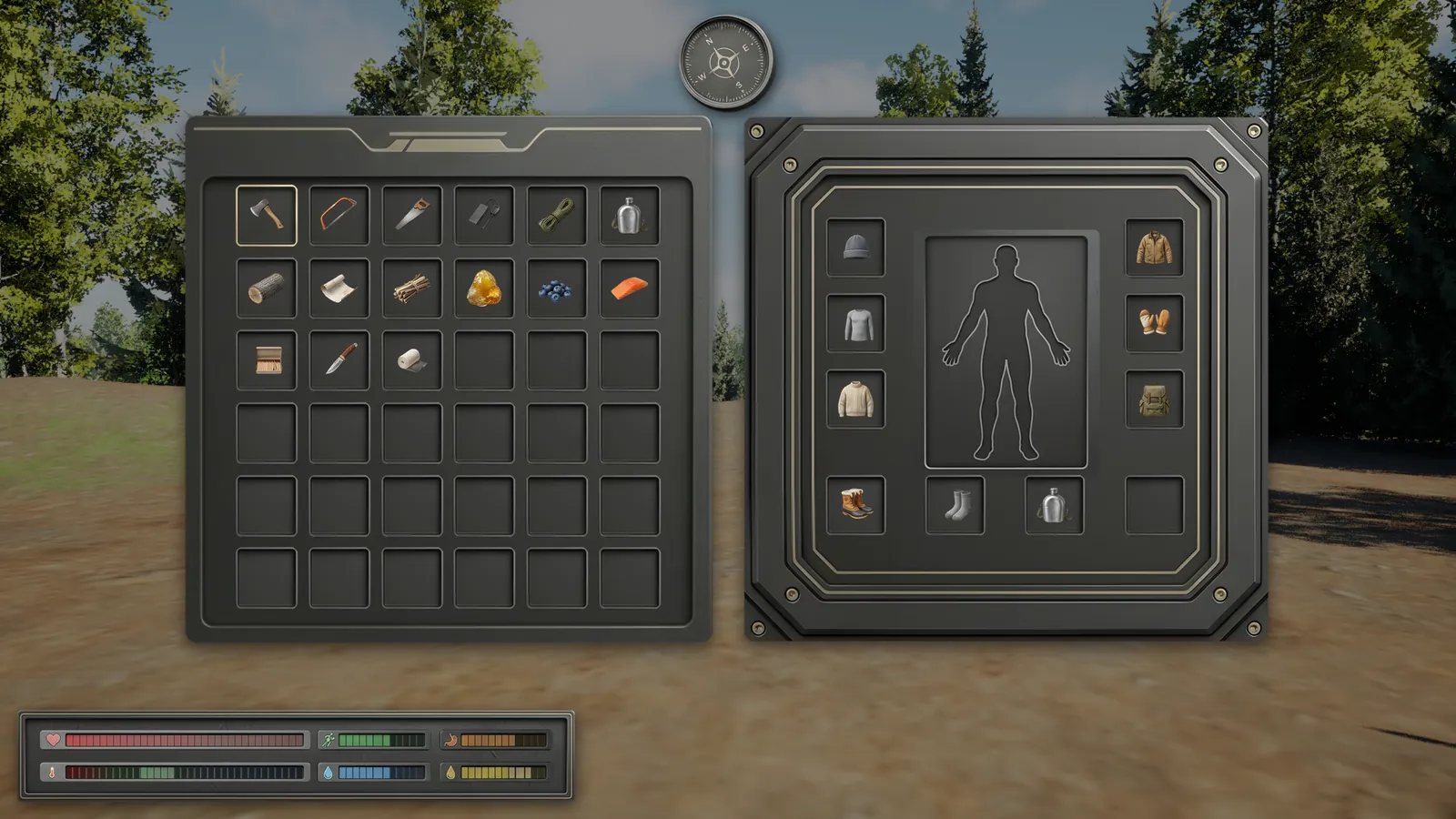
You were at or near your remote land in the valley when it happened. You walk in with a bow saw, an axe, a hand saw, a magnesium fire starter, a roll of cordage and a metal canteen. The rest you make.
Large transformers burned out. Replacements take years to build, and nothing is shipping.
Satellites were damaged. GPS, satellite internet and most long-range communication failed.
Anything on long wires fried. Unplugged devices and most vehicles survived, but there's no fuel to run them.
Alaska imports most of its food and fuel. The supply chain collapsed, and what's left is held by whoever got there first.
The valley
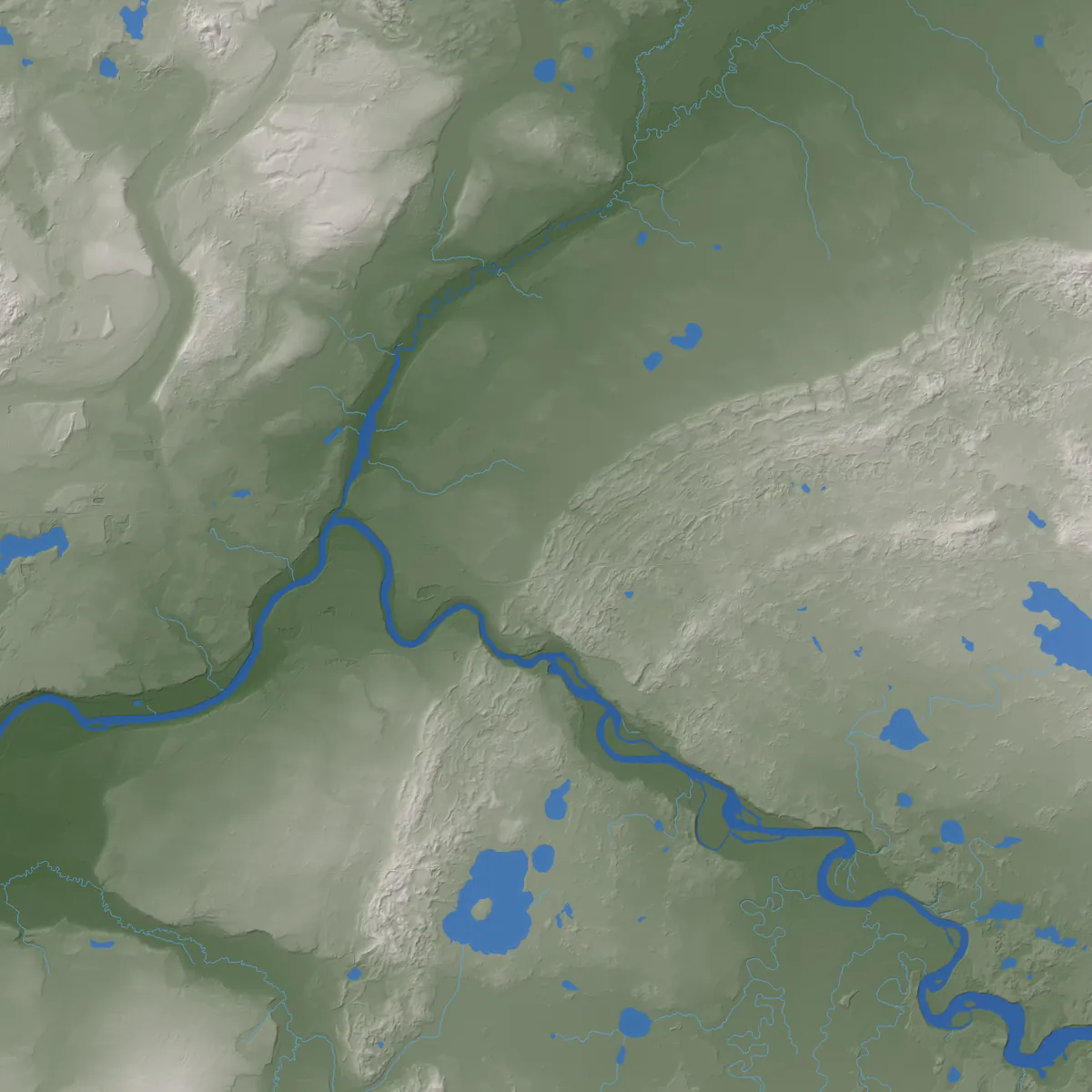
The map is built from USGS airborne lidar for a 16 km square of the Kenai River valley near Sterling, centred on 60.53° N, 150.70° W.
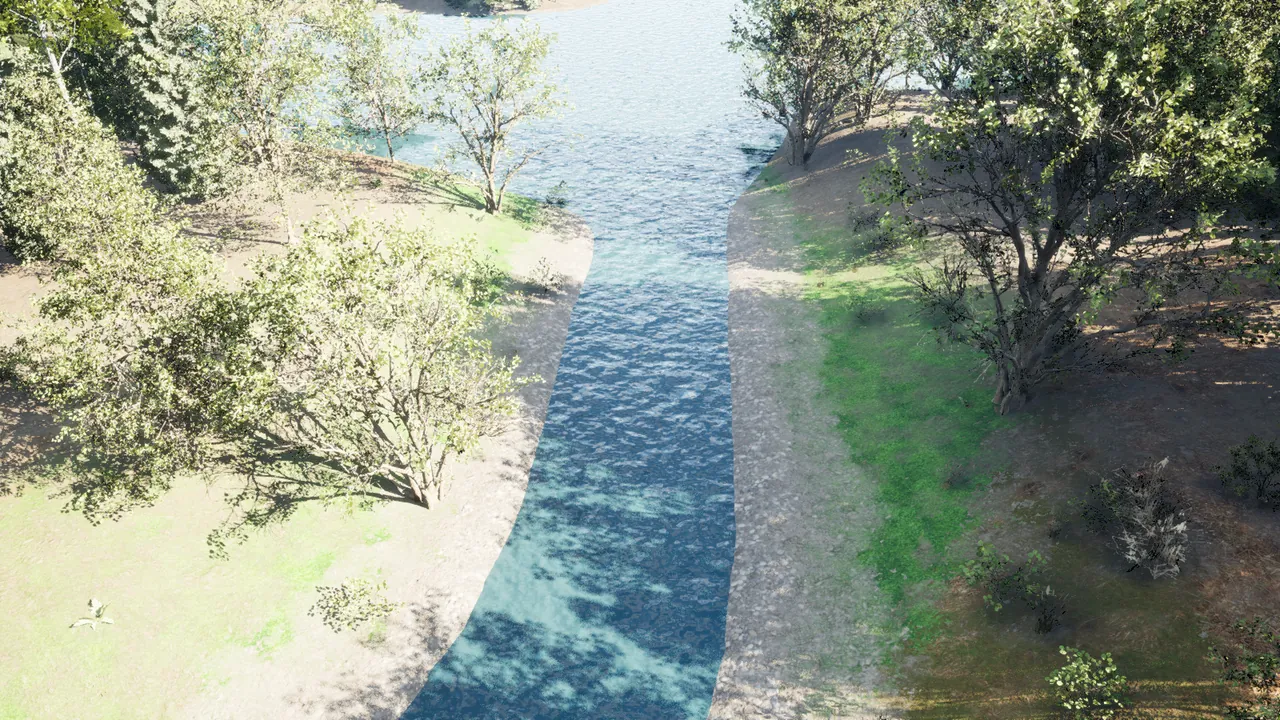
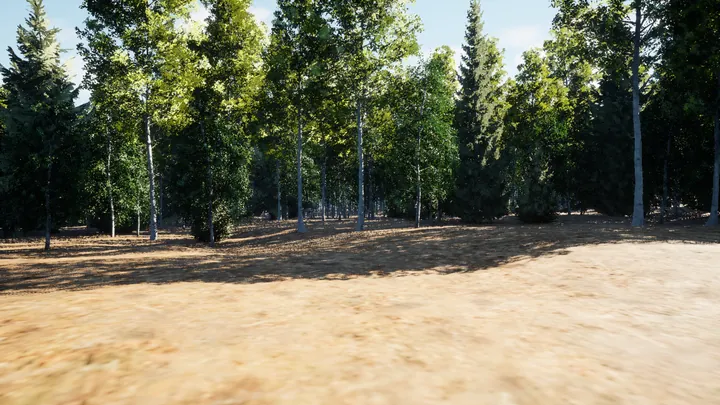
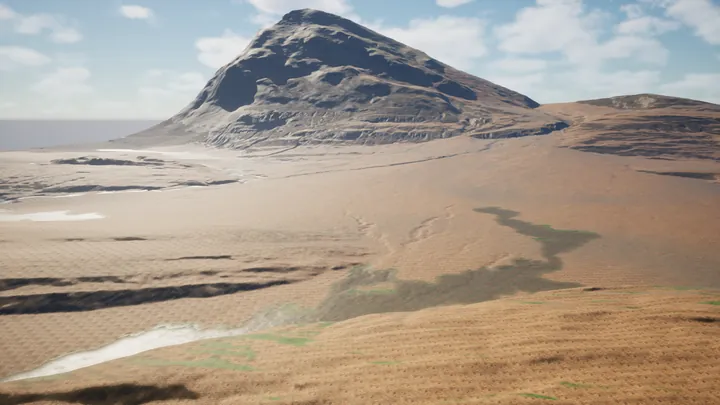
The Kenai River winds through glacial terraces, kettle lakes, creeks and muskeg under spruce and birch. All of the playable land is open at release, so you can settle wherever the ground suits you. Hand-built landmarks, salvage sites and outposts spread outward in updates.
| Season | Months | Daylight | Temperature | What it means |
|---|---|---|---|---|
| Breakup | Apr to mid May | 14–18 h | −5 to 10 °C | River ice breaks up and floods, mud slows travel, birch sap runs |
| Summer | mid May to Aug | 18–20 h | 10 to 27 °C | The building window: salmon runs, about 100 frost-free days, mosquitoes, wildfire risk |
| Autumn | Sep to Oct | 9–14 h | −5 to 12 °C | Moose hunts, berries, harvest, first snow on the peaks |
| Winter | Nov to Mar | 4–7 h | −45 to −5 °C | Deep snow, the frozen river becomes a road, ice fishing, trapping, aurora |
A new server starts in late spring by default (late May, after breakup and the last hard frost): the whole summer to get ready for the first winter. Day and season length are server settings.
What you'll do
Every item in the game is made by players through real process chains, from raw resource to finished part. These are the pillars we're building it around.
01Every cut of meat tracks its internal temperature. Cook it right or get sick. Smoke, salt, dry, ferment and can to get through winter.
 02
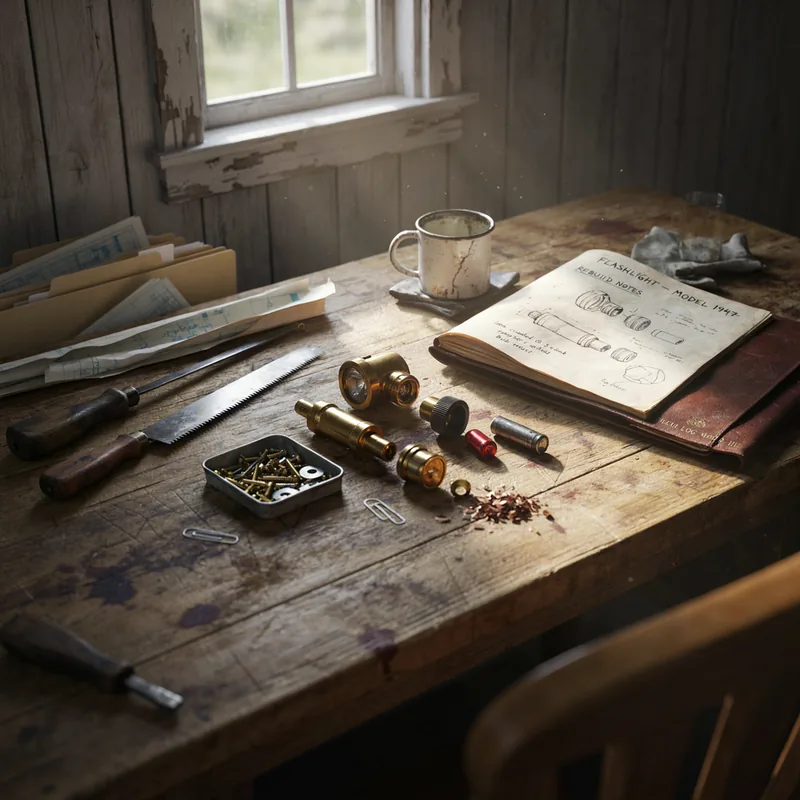
Stone and bone to bloomery iron, a forge, then machined parts. Take salvage apart to learn how it was made.
 03
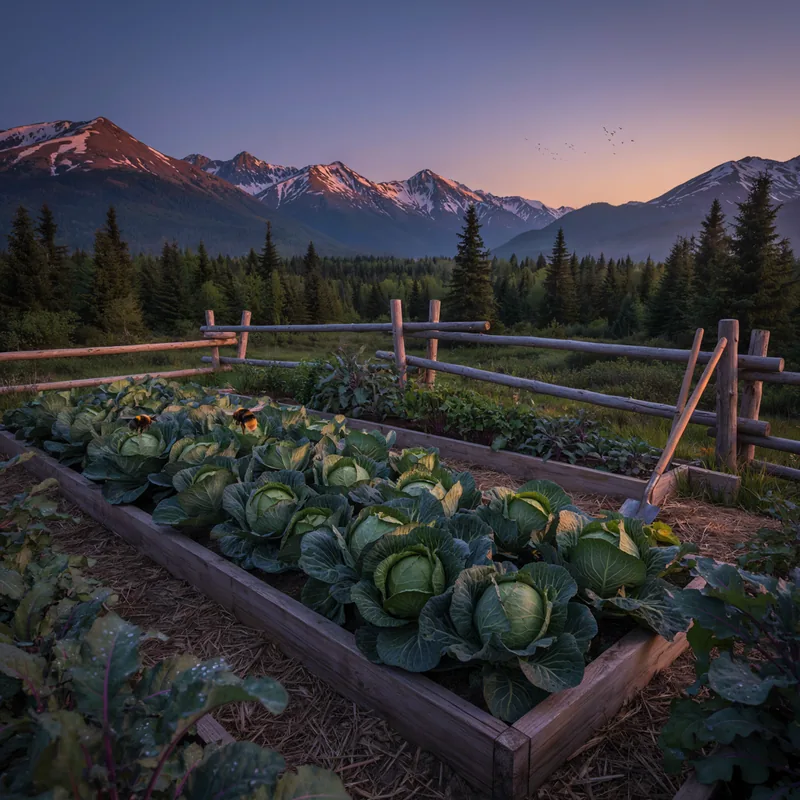
A 100-day season under 20 hours of light. Build up poor boreal soil, and stretch the season with cold frames and greenhouses.
 04
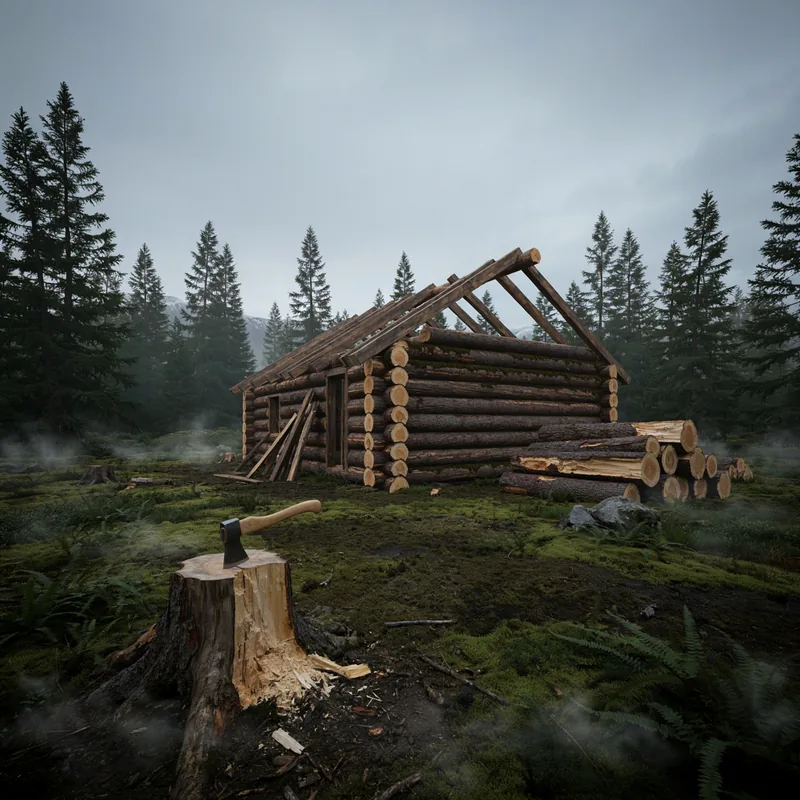
A lean-to, then a log cabin with moss chinking, then a framed, insulated house. Real methods on a real 1.2 m grid.
 05
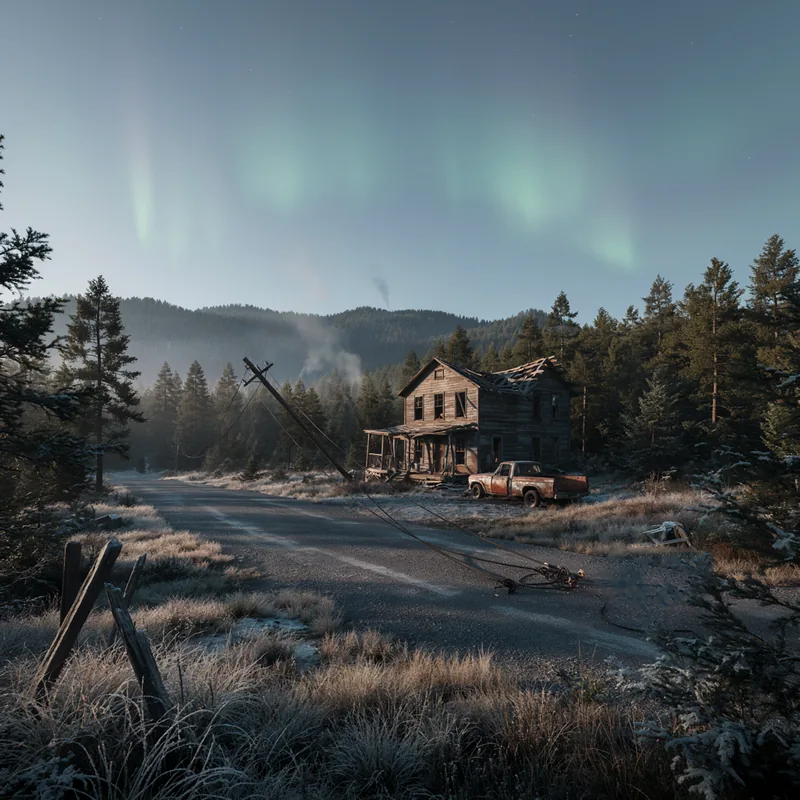
Bears follow their noses. Groups from outside the valley trade, demand tribute and raid. A big, busy homestead draws attention.
Survival

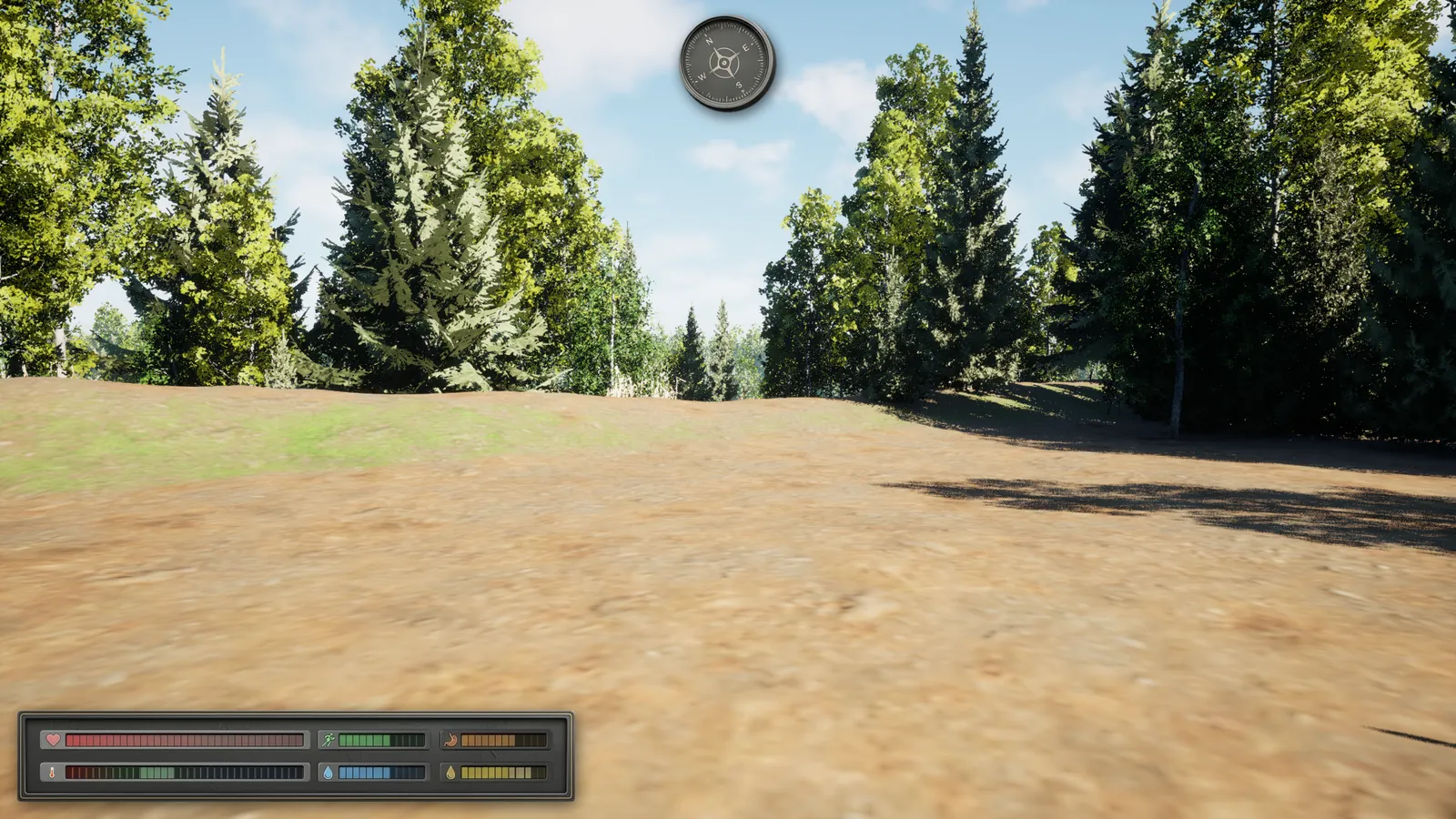
Survival tracks the body the way it really works, shown on a small HUD that stays out of the way.
Skills

No classes and no levels to spend. You get better at what you actually do, from 1 to 100, and gains slow as you climb.
Knowledge
There's no store and no trader with a full shelf. If you want a thing, someone has to know how to make it.
Multiplayer
One game supports playing alone, hosting friends from your own PC, and dedicated servers for up to 50 players, on your own hardware or with a game-server host. Every change to the world is checked by the server.
A local world, no network needed. Pause, take your time, play your way.
Run the server on your own PC while you play. Friends join by invite.
Windows or Linux, on your own machine, a VPS or a game-server host. We plan to work with hosts so renting one is easy.
Rules are server settings with presets such as Relaxed, Standard and Hardcore. Servers are persistent by default; admins can schedule wipes.
Early Access
Thrive: Alaska is early in development: the valley, its forests, the item set and the interface are being built now. Everything on this page describes what we're working toward, and details will change as we test.
We plan to release in Early Access on PC once a full year in the valley holds up for a small group on minimum-spec hardware. There's no date yet.
Tuned for an RTX 5070 at 1440p, with an RTX 3050 8 GB at 1080p as the minimum. Every feature's cost is measured before it lands.
Alaska is the first Thrive map. Later maps bring new country on the same systems, and characters are planned to carry over between them.